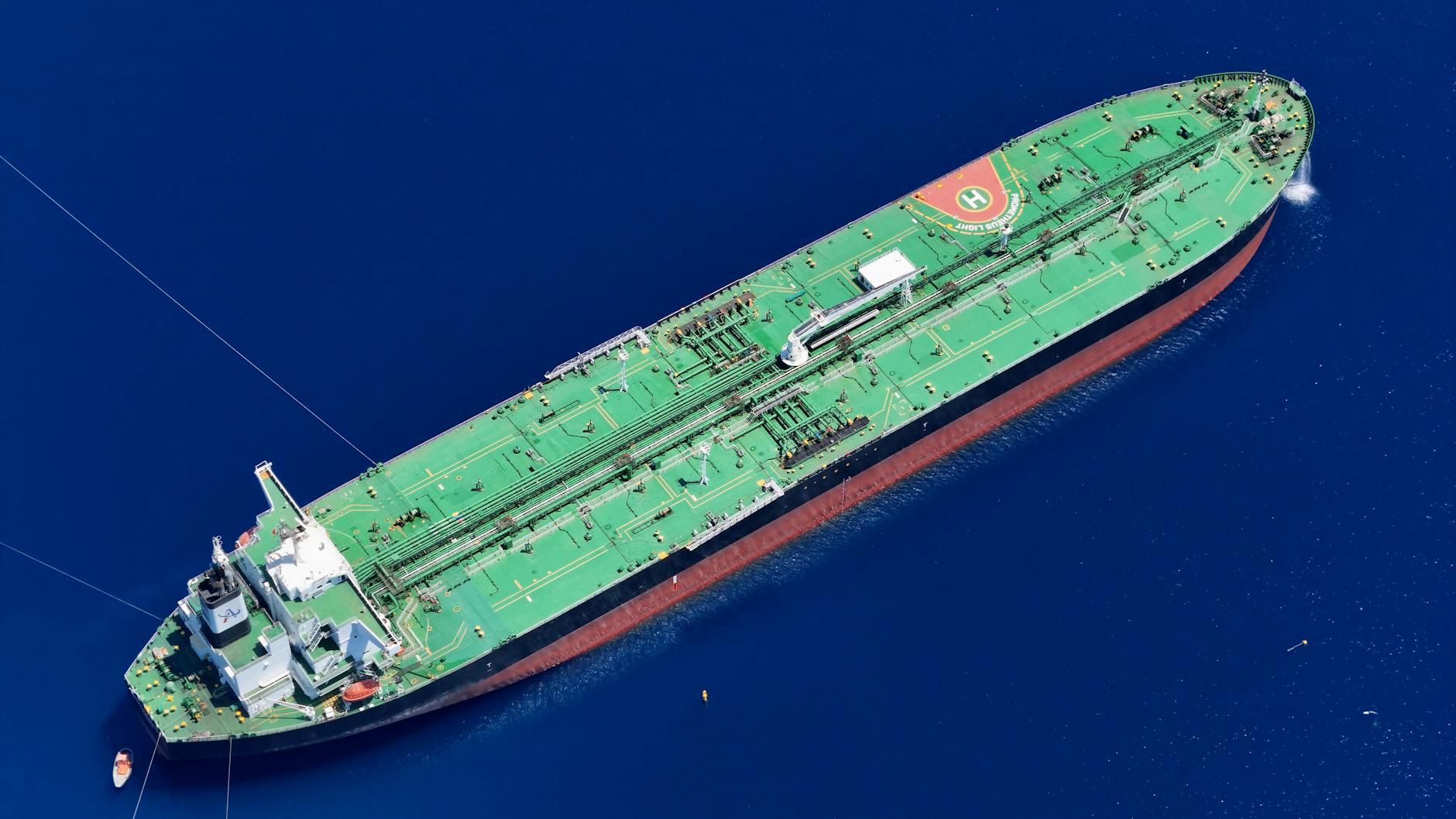
Brent Crude at $100: 4 Factors Fueling the Surge in 2026 vs Competitors in 2026: Quick Answer
Brent Crude's price surge to $100 in 2026 is driven by geopolitical tensions, supply chain disruptions, increasing global demand, and OPEC+ production cuts. For investors looking for stability and growth in energy markets, Brent Crude is the winning choice, especially for those focused on short- to medium-term gains.
2026 At-a-Glance Comparison:
| Feature | Brent Crude at $100: 4 Factors Fueling the Surge in 2026 | Competitor A (West Texas Intermediate) | Competitor B (Natural Gas Futures) |
|---|---|---|---|
| Current Price | $100.00 per barrel | $95.00 per barrel | $4.50 per MMBtu |
| Global Demand Growth | 3.5% increase YOY | 2.8% increase YOY | 1.0% increase YOY |
| Production Cuts | 1.5 million barrels/day from OPEC+ | 1 million barrels/day from US | N/A |
| Volatility Index | 15% | 12% | 25% |
| Best for | Short to medium-term investors | Long-term stability | Diversified energy investors |
Brent Crude at $100: 4 Factors Fueling the Surge in 2026: Honest Assessment
Brent Crude's recent surge is primarily supported by geopolitical tensions in the Middle East, which are driving concerns over supply stability. Additionally, OPEC+'s commitment to production cuts has solidified its price floor. A notable weakness, however, is its vulnerability to sudden market corrections. In 2026, the energy landscape is increasingly volatile, yet Brent's fundamentals appear stronger than its competitors.
Competitor A: Where They Stand in 2026
West Texas Intermediate (WTI) is currently priced at $95 per barrel, reflecting a strong demand but slightly lower than Brent due to different supply dynamics. The U.S. has ramped up production, though OPEC+ cuts have limited upward pressure. WTI is more stable but may not see the same explosive growth potential as Brent in the face of geopolitical risks.
Competitor B: Where They Stand in 2026
Natural Gas Futures are trading at $4.50 per MMBtu, significantly lower than oil prices and reflecting a slower recovery in demand. While they offer diversification, they are experiencing higher volatility due to weather-related factors and fluctuating industrial demand. This makes them less appealing for investors seeking steady returns compared to the oil sector.
The Deciding Factor in 2026
The key differentiator is the geopolitical climate, which heavily influences Brent Crude prices. With ongoing tensions in oil-producing regions and a commitment from OPEC+ to limit supply, Brent's price is likely to remain elevated, making it the most attractive option for investors aiming for short- to medium-term gains.
Frequently Asked Questions
Q: Which is better in 2026: Brent Crude at $100: 4 Factors Fueling the Surge in 2026 or WTI? A: For those looking for potential high returns driven by geopolitical risks and OPEC+ cuts, Brent Crude is the better option; WTI is more stable but may not offer the same growth.
Q: Has the cost/fee comparison changed in 2026? A: The cost structure remains competitive, but Brent's pricing reflects higher geopolitical risk premiums, making it slightly more expensive than WTI, which has lower volatility.
Q: Which should a first-time investor choose in 2026? A: First-time investors should consider starting with Brent Crude due to its growth potential, unless they are uncomfortable with the associated risks.
Q: Can you use both Brent Crude at $100: 4 Factors Fueling the Surge in 2026 and alternatives together? A: Yes, diversifying between Brent Crude and natural gas futures can hedge against volatility in energy markets while capitalizing on different demand cycles.
Verdict: Who Should Choose What in 2026
- Beginner Investors: Choose Brent Crude for growth potential; consider WTI for stability.
- Advanced Investors: Focus on Brent Crude for short- to medium-term strategies; explore natural gas for diversification.
- Income-Focused Investors: Look at WTI for dividends and stability; Brent may not offer the same income but has higher growth potential.
- Growth-Focused Investors: Brent Crude is the clear winner for aggressive strategies, especially in an environment of rising energy demand and geopolitical tension.