Everything You Need to Know About Crude Oil Prices Surge 40% in 2026: 5 Trends Reshaping Global Markets in 2026
In 2026, crude oil prices have surged by 40%, drastically affecting global markets. This rise is driven by geopolitical tensions, shifts in energy policies, and increased demand for oil as economies recover from previous downturns. Understanding these trends is essential for anyone looking to navigate the current financial landscape.
Key Facts for 2026:
- As of April 2026, the average price of crude oil is approximately $105 per barrel, up from $75 in 2025.
- Major oil producers, including OPEC+, have agreed to maintain lower production levels to stabilize prices.
- Renewable energy investments have increased by 25% in 2026, reflecting a global shift towards sustainable practices.
- The U.S. has seen a 15% rise in oil production in response to domestic demand, but still lags behind 2019 levels.
Frequently Asked Questions
Q: What exactly is Crude Oil Prices Surge 40% in 2026: 5 Trends Reshaping Global Markets and how does it work in 2026?
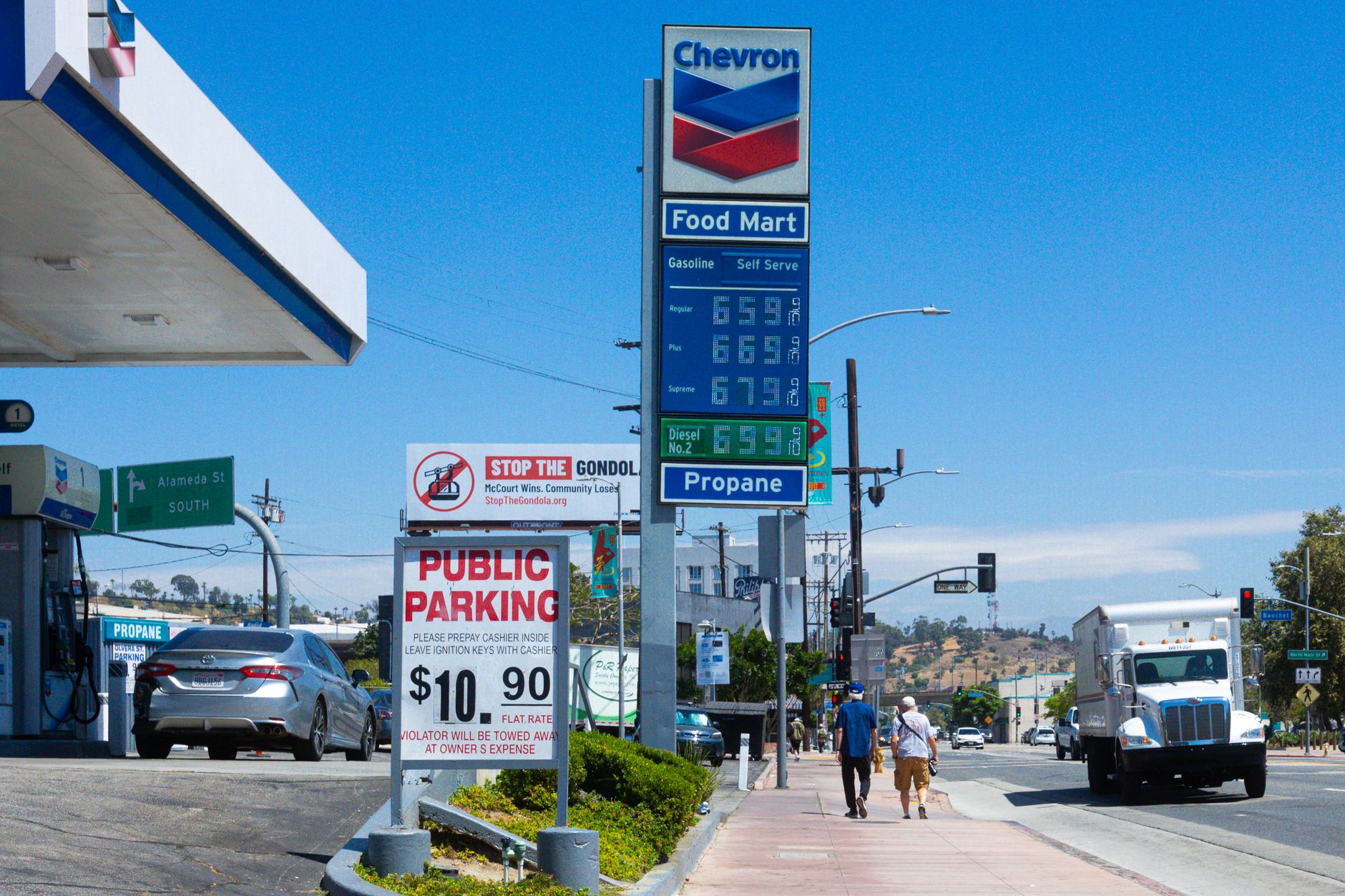
A: This phenomenon refers to the significant increase in crude oil prices, driven by various global trends. In 2026, this surge impacts everything from gas prices to transportation costs, influencing consumer behavior and business operations. Understanding these market dynamics helps individuals and businesses plan their finances better.
Q: How has Crude Oil Prices Surge 40% in 2026: 5 Trends Reshaping Global Markets changed in 2026?
A: In 2026, the crude oil market is more volatile than in previous years, largely due to intensified geopolitical conflicts and a faster-than-expected global economic recovery. Additionally, countries are increasingly focusing on energy independence, which is reshaping their oil consumption and production strategies.
Q: Is Crude Oil Prices Surge 40% in 2026: 5 Trends Reshaping Global Markets safe and legitimate?
A: While investing in oil can be lucrative, it carries significant risks, especially with the current volatility. Regulatory bodies like the U.S. Energy Information Administration (EIA) keep a close watch, but market fluctuations can lead to unexpected losses. It's essential to stay informed and consider the risks before engaging.
Q: How do I get started with Crude Oil Prices Surge 40% in 2026: 5 Trends Reshaping Global Markets today?
A: To get started, research the current oil market and consider opening an account with a brokerage that offers commodities trading. Familiarize yourself with futures contracts and exchange-traded funds (ETFs) that track oil prices. Start with a small investment to minimize risk while you learn.
Q: What are the real costs involved?
A: Trading in crude oil can involve various costs, including brokerage fees that typically range from $5 to $10 per trade, management fees for oil ETFs (usually around 0.5% to 1%), and potential margin costs if you trade on leverage. Always check the specific costs with your chosen brokerage.
Q: What are the best alternatives to Crude Oil Prices Surge 40% in 2026: 5 Trends Reshaping Global Markets right now?
A: 1. Renewable Energy Stocks: Investing in solar or wind energy companies can provide exposure to the growing clean energy sector.
2. Natural Gas Investments: As a cleaner alternative to oil, natural gas is becoming more prominent, with prices also seeing significant growth.
3. Energy ETFs: These funds offer diversified exposure to various energy sectors, including renewables and fossil fuels, reducing individual stock risk.
Q: What do analysts say about Crude Oil Prices Surge 40% in 2026: 5 Trends Reshaping Global Markets in 2026?
A: Analysts are divided; some believe prices will stabilize as production levels adjust, while others predict continued volatility due to ongoing geopolitical issues. Many suggest that long-term trends will favor renewable investments as governments push for greener policies.
Q: What is the outlook for Crude Oil Prices Surge 40% in 2026: 5 Trends Reshaping Global Markets in the next 12 months?
A: The outlook for the next year suggests that crude oil prices may stabilize between $90 and $110 per barrel, depending on geopolitical developments and OPEC+ decisions. However, if demand continues to outpace supply, prices could surge even higher.
The Verdict
For everyday individuals, it’s crucial to stay informed about the trends influencing crude oil prices, as they can impact everything from fuel costs to the price of goods. Diversifying your investments and considering renewable energy options may offer a more stable financial future in a rapidly changing market. Always seek advice from financial professionals if unsure about your investment strategy.