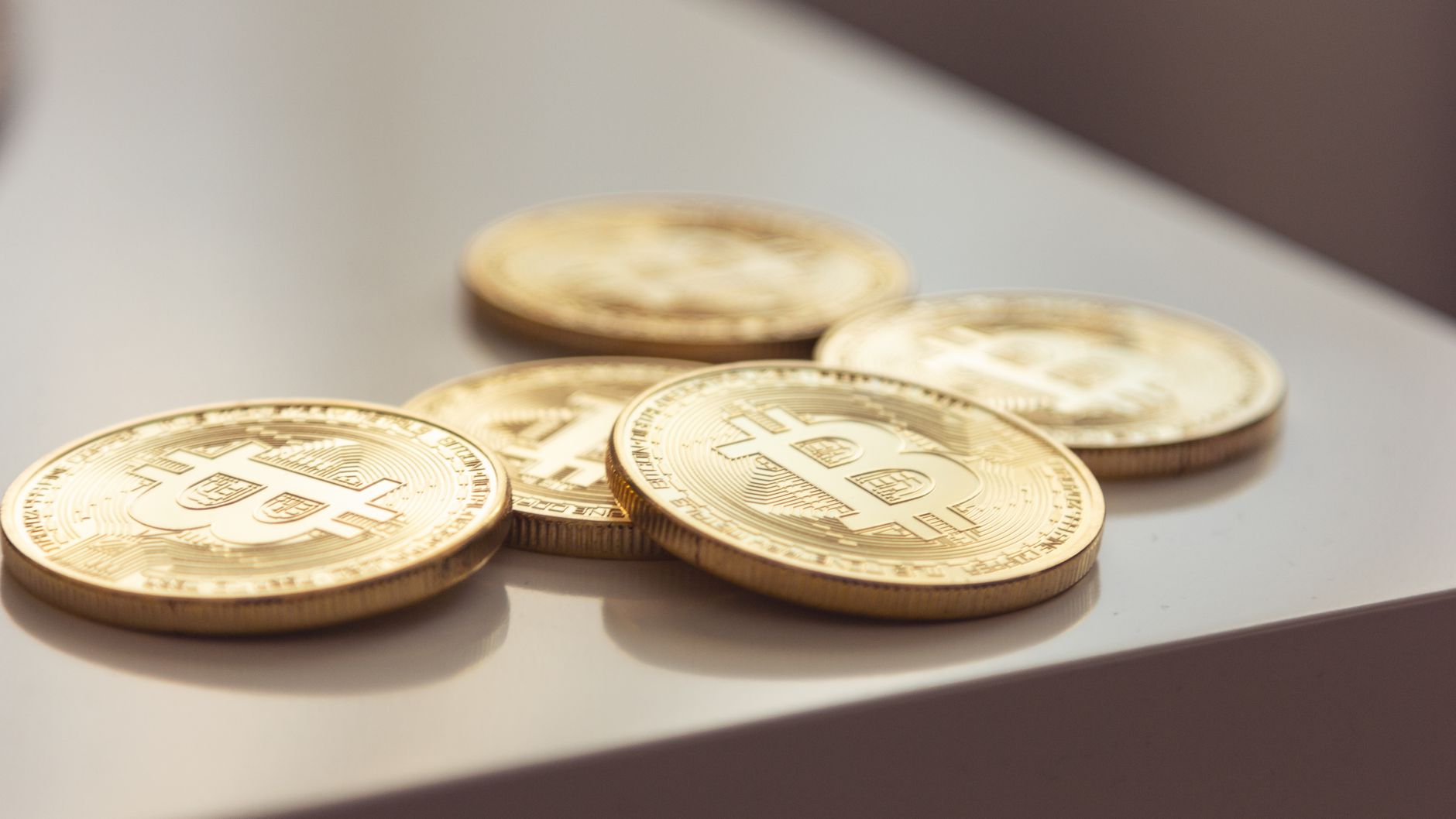
Gold Prices Surge 15% in Q1 2026: Key Factors Driving the Rally
What is the Current Gold Price Surge? (The Quick Answer)
Gold prices skyrocketed by 15% in the first quarter of 2026, reaching approximately $2,100 per ounce. This surge reflects a mix of economic uncertainties, geopolitical tensions, and a shift in investor sentiment towards safe-haven assets.
Key Takeaways for 2026:
- Gold reached $2,100 per ounce, marking a significant climb from $1,826 in December 2025.
- Central banks globally are increasing their gold reserves, with purchases up by 25% year-over-year.
- Inflation rates remain stubbornly high, averaging around 6.5% in major economies.
- Geopolitical tensions, particularly in Eastern Europe and the Middle East, have elevated demand for gold.
- Retail investment in gold ETFs has surged by 30% since the beginning of the year.
Top 10 Factors Driving the Gold Price Rally: Full Breakdown for 2026
Global Economic Uncertainty
Economic forecasts have become increasingly cautious, with many analysts predicting a potential recession in late 2026. This uncertainty drives investors to seek refuge in gold.Elevated Inflation
With inflation rates hovering around 6.5%, the real return on cash and bonds is negative, making gold a more attractive investment.Central Bank Purchases
Central banks collectively bought over 400 tons of gold in Q1 2026, a 25% increase compared to Q1 2025, further signaling confidence in gold as a stable asset.Geopolitical Tensions
Ongoing conflicts in Eastern Europe and the Middle East have heightened fears of instability, pushing investors toward safe-haven assets like gold.Weakening U.S. Dollar
The dollar has depreciated by about 8% against a basket of currencies since January 2026, making gold cheaper for holders of foreign currencies, thus boosting demand.Increased Retail Investment
Retail investors are flocking to gold ETFs, with a 30% increase in purchases, reflecting growing confidence in gold’s long-term value.Supply Chain Disruptions
Mining and refining challenges, exacerbated by geopolitical issues, have led to concerns about future gold supply, driving prices higher.Technological Advancements in Mining
Innovations in extraction technology have improved operational efficiencies, but the impact on gold supply has been slow to materialize, keeping prices buoyant.
Global Demand for Jewelry
Jewelry demand, especially from Asia, has rebounded sharply, with a 20% increase in Q1 2026 compared to the previous year, further supporting prices.Speculative Trading
Hedge funds and institutional investors are increasing their gold positions, speculating on further price increases, which adds to upward pressure on the market.
Why This Matters Right Now (As of April 13, 2026)
Today, the gold market is buzzing with activity as prices hover around $2,100 per ounce. With inflation still high and geopolitical uncertainties looming, investors are increasingly valuing gold as a hedge against potential economic downturns. Recent data reveals a significant uptick in both institutional and retail investment, making this a pivotal moment for those considering diversifying their portfolios.
How to Act on This in 2026
- Invest in Gold ETFs: Consider allocating a portion of your portfolio to gold exchange-traded funds (ETFs) that provide exposure without the need for physical storage.
- Diversify with Physical Gold: Buying coins or bars can be an excellent way to hedge against inflation and market volatility.
- Monitor Economic Indicators: Stay informed about inflation rates and geopolitical developments, as these can significantly impact gold prices.
- Consider Gold Mining Stocks: Investing in companies that mine gold might offer leveraged exposure to rising gold prices.
- Use Dollar-Cost Averaging: If you're uncertain about market timing, consider gradually buying gold over time to spread out your investment risk.
Frequently Asked Questions
Q: Why is gold considered a safe haven?
A: Gold is historically viewed as a safe haven because it tends to retain value during economic downturns, making it a preferred asset during times of uncertainty.
Q: How does inflation affect gold prices?
A: Inflation erodes the purchasing power of cash, leading investors to buy gold as a hedge, which typically drives prices higher.
Q: Are gold prices expected to continue rising in 2026?
A: While many analysts predict continued upward pressure on gold prices due to ongoing economic and geopolitical issues, exact future prices are uncertain and depend on various factors.
Q: What are the risks of investing in gold?
A: Gold can be volatile and does not generate income like stocks or bonds. Market sentiment and economic conditions can swing prices rapidly, presenting potential risks to investors.
Bottom Line
With gold prices surging to $2,100 per ounce amid economic uncertainty and geopolitical tensions, now could be an opportune time to consider gold as part of your investment strategy. Whether through ETFs, physical gold, or mining stocks, diversifying into this precious metal could provide a buffer against inflation and market volatility.