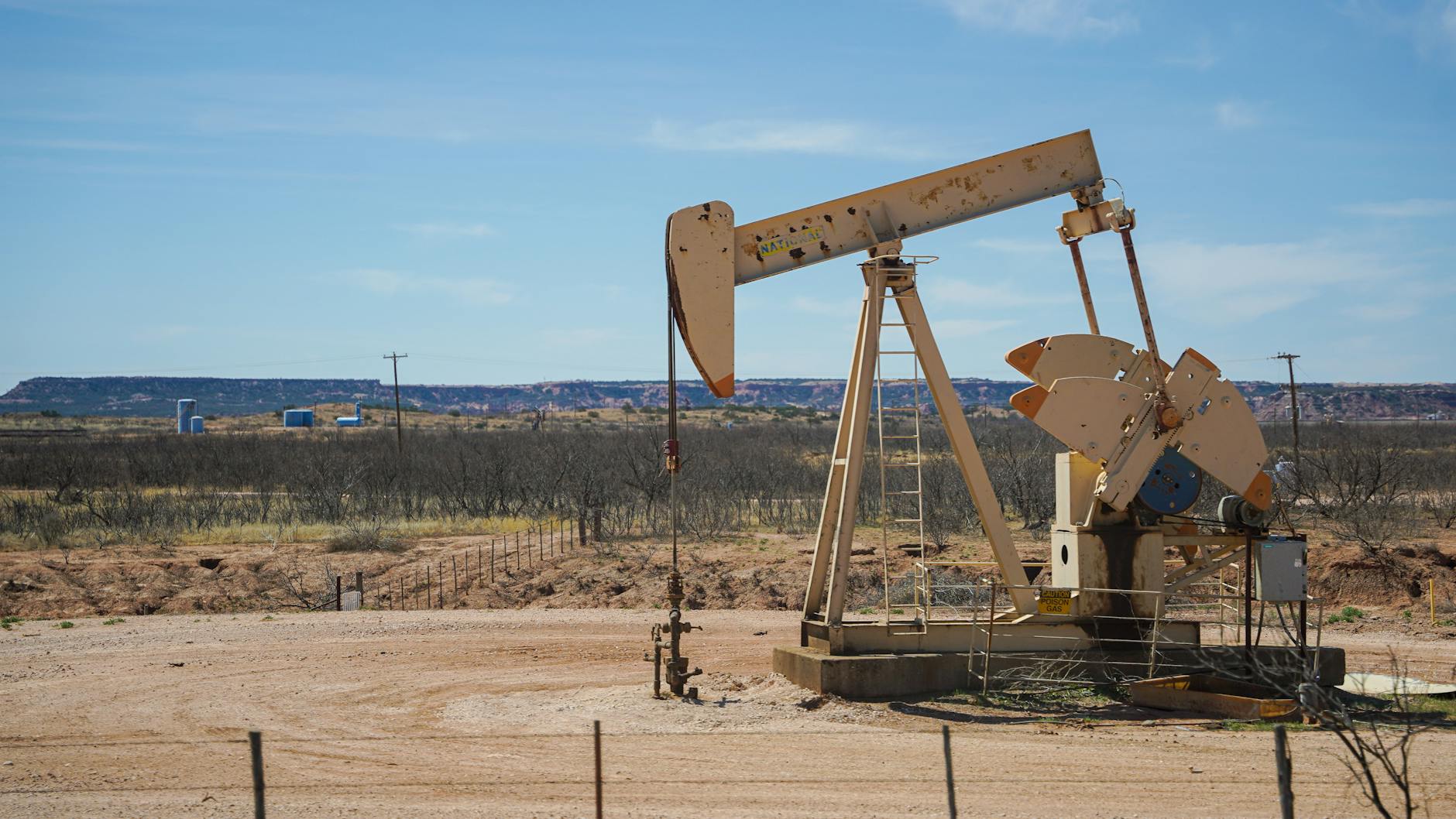
How to Understand OPEC's 2026 Production Cuts: The Complete Guide
OPEC's 2026 production cuts are set to reshape global oil prices dramatically, impacting everything from fuel costs to investments. Understanding these changes will help you navigate the market more effectively.
At a Glance (2026):
- Time required: 30 minutes
- Difficulty: Intermediate
- Cost: Free
- What you need: Reliable internet access and a basic understanding of oil markets
Before You Start: What You Need in 2026
To effectively grasp the implications of OPEC's production cuts, ensure you have:
- Access to financial news platforms like Bloomberg or Reuters
- An account with a brokerage or trading platform (e.g., Robinhood or E*TRADE) for real-time updates
- A basic knowledge of global oil supply and demand dynamics
Step-by-Step Guide
Step 1: Research OPEC’s Current Production Policies
Start by reviewing OPEC's official announcements regarding production cuts. Check their website or credible financial news outlets for the latest updates on quotas and member compliance.
Step 2: Analyze Historical Price Trends
Look at historical oil price trends over the last few years using platforms like TradingView or Yahoo Finance. Focus on how previous production cuts influenced prices, helping you forecast potential outcomes.
Step 3: Monitor Global Demand Indicators
Stay updated on global oil demand indicators, including economic growth rates in major markets like the U.S. and China. Tools like the International Energy Agency (IEA) and World Bank reports are useful resources for this data.
Step 4: Evaluate Geopolitical Factors
Examine ongoing geopolitical tensions that may affect oil supply. Resources such as Stratfor or geopolitical analysis forums can provide insights into how these tensions might interplay with OPEC's decisions.
Step 5: Adjust Your Investment Strategy
Based on your research, consider how to adjust your investment strategy. This could involve diversifying your portfolio or exploring energy stocks. Use your brokerage account to execute any changes.
Common Mistakes to Avoid in 2026
- Ignoring Market Sentiment: Failing to gauge investor sentiment can lead to poor timing in buying or selling.
- Overreacting to Short-Term Volatility: Oil prices can fluctuate wildly; avoid making hasty decisions based on momentary changes.
- Neglecting Broader Economic Indicators: Focus solely on oil prices without considering the broader economic context can lead to an incomplete analysis.
- Underestimating Geopolitical Risks: Not accounting for geopolitical developments may expose you to unforeseen risks.
- Forgetting to Diversify: Putting all your investments into oil-related assets can increase your risk profile significantly.
Frequently Asked Questions
Q: How long does it take to understand OPEC's impact on oil prices in 2026?
A: It typically takes about 30 minutes to gather and analyze the necessary information.
Q: What if oil prices drop unexpectedly after the cuts?
A: If this happens, reassess your investment strategy and consider diversifying to hedge against losses.
Q: What's the cheapest way to stay informed about oil prices in 2026?
A: Utilizing free financial news websites and subscribing to newsletters from reputable sources is the most cost-effective way.
Q: Is this still worth doing given 2026 market conditions?
A: Yes, understanding these dynamics is crucial for informed investing, especially in a volatile market like oil.
Summary + Next Steps
In summary, staying informed about OPEC's production cuts is essential for navigating the oil market in 2026. Tomorrow morning, start by setting up alerts on financial news platforms for real-time updates on oil prices and OPEC developments. This proactive approach will help you make informed decisions in a rapidly changing market.