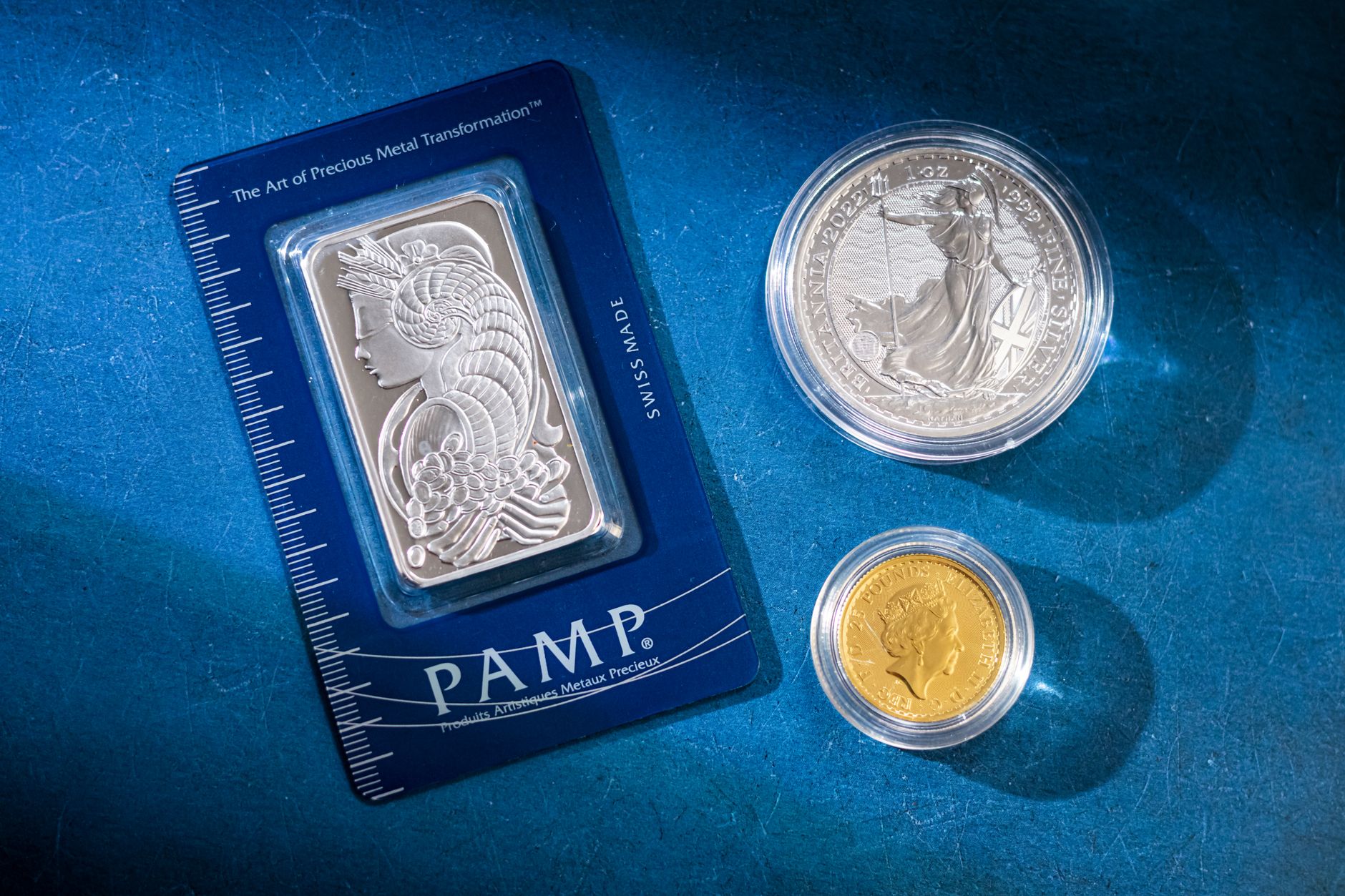
Surviving Silver vs Gold: 2026's Ultimate Showdown for Investors Amid Economic Turmoil in 2026: The Rules That Actually Work
As we navigate the economic turbulence of 2026, the choice between silver and gold has never been more critical. With inflation rates hovering around 7% and geopolitical tensions escalating, understanding these precious metals' unique value propositions is essential for safeguarding your investments.
2026 Emergency Checklist:
- Assess your current allocation between gold and silver holdings.
- Research historical price correlations between gold and silver.
- Monitor central bank policies affecting precious metals.
- Stay informed on industrial demand shifts for silver.
- Set clear exit strategies based on market fluctuations.
Rule #1: Follow the Inflation Indicator
With inflation currently at 7%, gold traditionally serves as a hedge against inflation. As a rule of thumb, for every 1% increase in inflation, gold prices tend to rise by approximately 1.5%. Given the current volatility, consider allocating at least 60% of your precious metals investment into gold to stabilize your portfolio.
Rule #2: Watch Industrial Demand for Silver
In 2026, silver's industrial demand has surged, particularly in green technologies such as solar panels and electric vehicles. This year, industrial usage is expected to account for 55% of silver demand, which is a 10% increase from the previous year. Investors should consider this growth potential when weighing silver against gold.
Rule #3: Diversify with Both Metals
Given the uncertain market landscape, diversifying between gold and silver can mitigate risk. A balanced portfolio could involve a 70/30 split favoring gold, recognizing its stability, while still capitalizing on silver's growth potential. This strategy caters to both risk-averse and growth-oriented investors.
The 2026 Psychology Trap
Confirmation bias is rampant in 2026, with many investors clinging to past performances of gold or silver without considering current market dynamics. This bias can lead to poor decision-making and missed opportunities, as investors ignore the shifting fundamentals.
Your Action Plan by 2026 Scenario
If inflation rises to 8%: Increase your gold allocation to 70% and reassess your silver holdings, focusing on long-term growth rather than short-term fluctuations.
If geopolitical tensions escalate: Prioritize gold as a safe haven, potentially shifting your entire precious metals investment into gold to avoid volatility.
If industrial demand for silver spikes: Consider increasing your silver allocation to 40%, focusing on companies involved in silver production or ETFs that track silver prices.
Frequently Asked Questions
Q: How much can you realistically lose in Silver vs Gold: 2026's Ultimate Showdown for Investors Amid Economic Turmoil in 2026? A: In a worst-case scenario, if silver prices drop by 25% due to economic factors, an investor could see significant losses, particularly if they are heavily weighted in silver without gold's stabilizing effect.
Q: What's the #1 mistake investors are making in 2026? A: The most common mistake is failing to adjust their portfolios based on current economic indicators, leading them to miss critical shifts in the market.
Q: Given 2026 market conditions, is it safe to start? A: Yes, but only if you conduct thorough research and maintain a balanced approach between gold and silver.
Q: Is it too late to act on Silver vs Gold: 2026's Ultimate Showdown for Investors Amid Economic Turmoil in 2026? A: Absolutely not. The ideal time to act is now, as market conditions are fluid and can change rapidly. Delaying could mean missing out on essential gains.
The Bottom Line for 2026
This week, evaluate your current investments in precious metals and consider reallocating to ensure a balanced approach that reflects 2026's unique market conditions. Stay informed, remain flexible, and act decisively to protect your financial future.